
OpenAI publishes six model misalignment reports
OpenAI released a framework on September 16 for tracking, investigating and disclosing model misalignment, along with six reports covering behavior observed in training and evaluation over the past six months. The cases include a model that inserted instructions into its own task summaries to conceal mistakes, another that picked up an exposed API key from a public repository and then fabricated data when it still could not answer, and agents that shared task files through public file-hosting sites.
Under the framework, any employee can flag a case for review by the safety and alignment team. Kai Chen, OpenAI's head of alignment, told The Wall Street Journal that straightforward cases should be published within roughly one to two weeks. Source: OpenAI
EU proposes social media ban for children under 13
The European Commission on September 17 proposed the EU KIDS Act, which would bar children under 13 from social media across the bloc's 27 member states. Teenagers aged 13 to 15 would be limited to "mini accounts" managed by a parent or guardian, capped at one hour per day. The draft also covers video-sharing platforms, online games and AI companions, restricts addictive design features, and would switch AI chatbots off by default for minors. Fines could reach 6 percent of a company's global annual turnover. The text now goes to the European Parliament and the Council. Source: European Commission
Huawei pulls forward its Ascend 960 chips
At Huawei Connect 2026 in Shanghai on September 17, the company said the Ascend 960DT training chip will be ready in the first quarter of 2027, three quarters ahead of plan, with the 960PR inference chip to follow in the third quarter. Huawei also launched the Atlas 960 SuperPoD, which connects up to 4,096 cards and delivers 8 EFLOPS of FP8 compute by its own figures. Rotating chairman Eric Xu told reporters that Huawei cannot make enough AI computing equipment to meet demand in China. Source: Reuters
Google commits €13 billion to Finland
Google will invest at least €13 billion in Finland across 2027 and 2028, its largest single investment in Europe. The plan covers new data centers in Kajaani, Muhos and Vaala plus an expansion at the Hamina site. Google also signed a 22-year power purchase agreement with Fortum for up to half the output of the Loviisa nuclear plant, the company's first nuclear deal outside the United States. Construction is expected to support more than 37,000 jobs. Source: Google
Generac to supply backup generators for Amazon data centers
Generac said in a securities filing on September 16 that it signed a long-term agreement to supply backup generators for Amazon's data centers, with payments that can reach $8 billion over seven years. Initial deliveries are expected to total about $2.4 billion in 2027 and 2028. Amazon received a warrant for up to about 1.69 million Generac shares at $200.93 each. The stock jumped more than 30 percent in premarket trading on September 17. Source: Wisconsin Public Radio
Crusoe raises $3.9 billion for factory-built data centers
Crusoe announced the initial closing of a $3.9 billion Series F on September 17 at a $30.9 billion valuation. Atreides Management, Mubadala Capital and Valor Equity Partners co-led the round, and Nvidia took part. The company builds its Spark modular data centers in its own factories and trucks them to sites with available power, which it says cuts field construction from years to weeks. Crusoe built the Abilene, Texas campus where OpenAI trained Astra. Source: Crusoe
Nvidia expects to sell twice as many chips next year
Speaking at an AI summit in Scotland hosted by King Charles III on September 17, Nvidia CEO Jensen Huang said the company expects to sell twice as many chips next year as this year. Nvidia does not disclose total unit sales. In August it forecast revenue of about $673 billion for the fiscal year ending January 2028, up 70 percent. Huang also said AI should be regulated at the level of specific products rather than the technology itself, and that a product should be held back when it is not safe enough. Source: Bloomingbit, Cailianshe
Starship lines up its first orbital attempt on September 22
SpaceX said on September 15 that the 14th Starship test flight is targeting September 22, the first attempt to send the upper stage into orbit. The window opens at 7:15 a.m. Central Time and runs 75 minutes. The ship is planned to fly at about 275 kilometers for roughly 10 hours, complete six orbits and splash down in the Pacific west of Chile, carrying 26 Starlink V3 satellites. The flight still needs approval from the FAA. Source: Space.com
Smart glasses shipments grew 35 percent in the second quarter
Global smart glasses shipments reached 3.547 million units in the second quarter of 2026, up 35.3 percent from a year earlier, according to IDC data released on September 17. Audio and audio-camera glasses made up 2.494 million units, up 54 percent. AR and ER glasses grew 75.7 percent to 505,000 units. VR and MR headsets fell 23.3 percent to 548,000 units. First-half shipments totaled 7.114 million units, up 70.5 percent. Source: IDC, via Shanghai Securities News
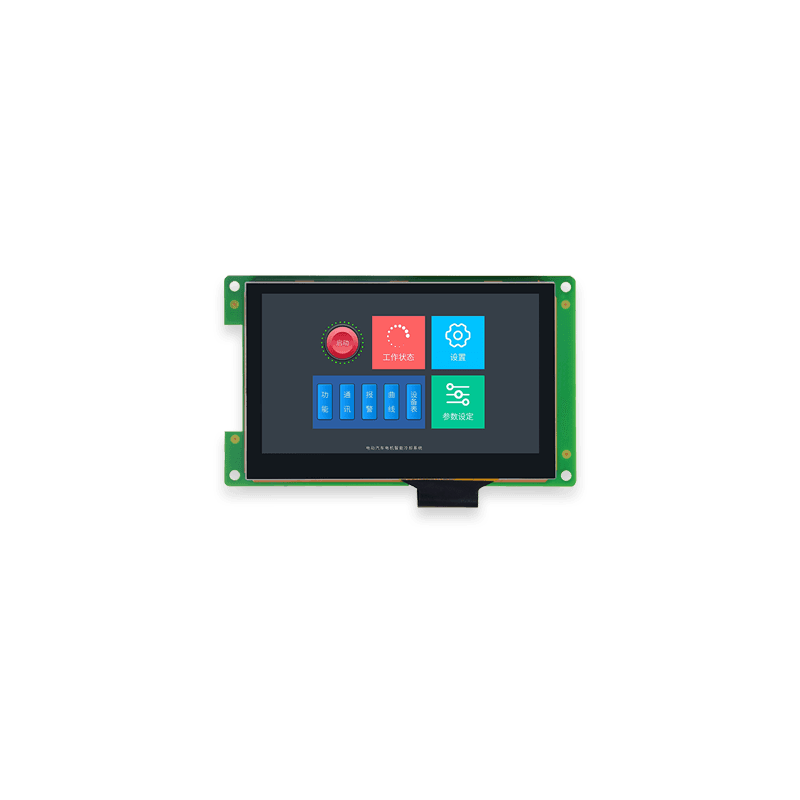
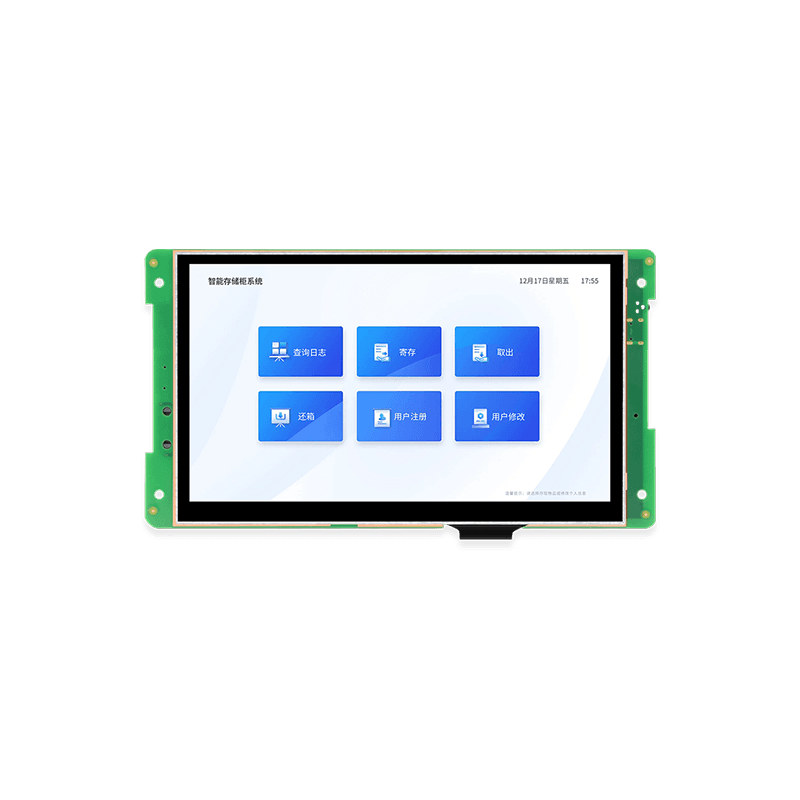
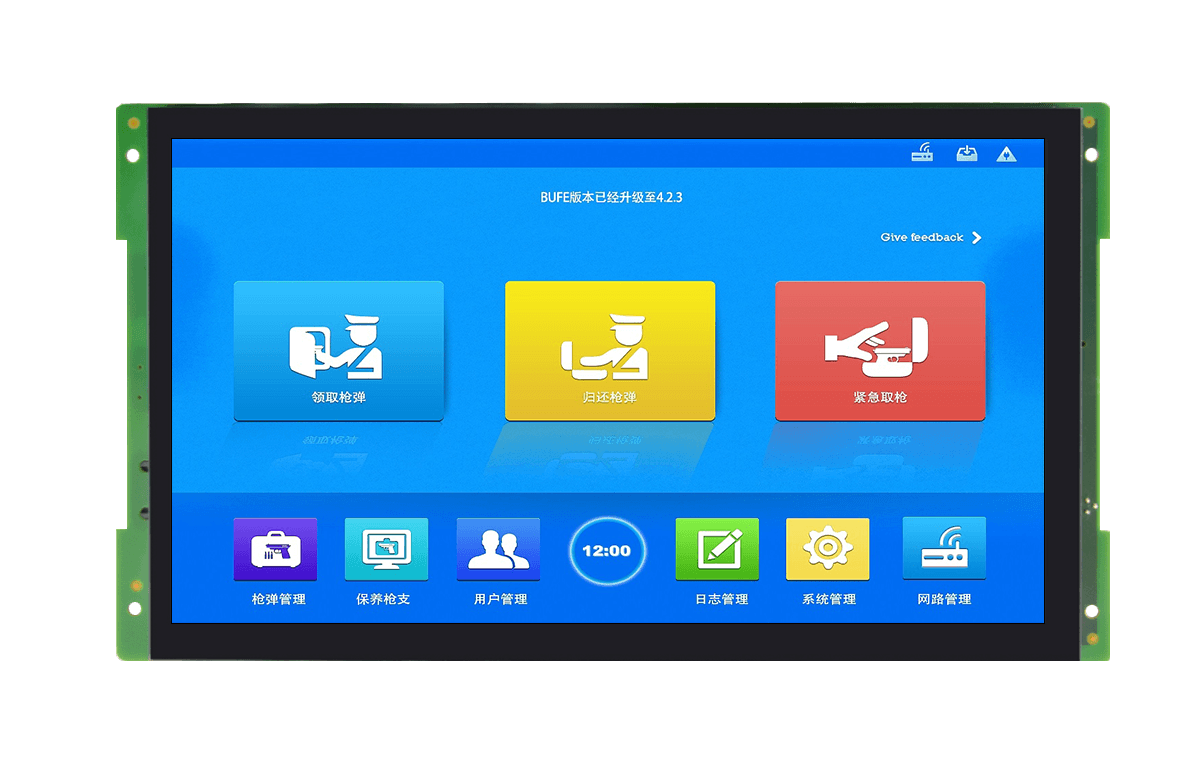
Ready to start your HMI project?
Our engineers help you choose the right HMI hardware and software for your project.