
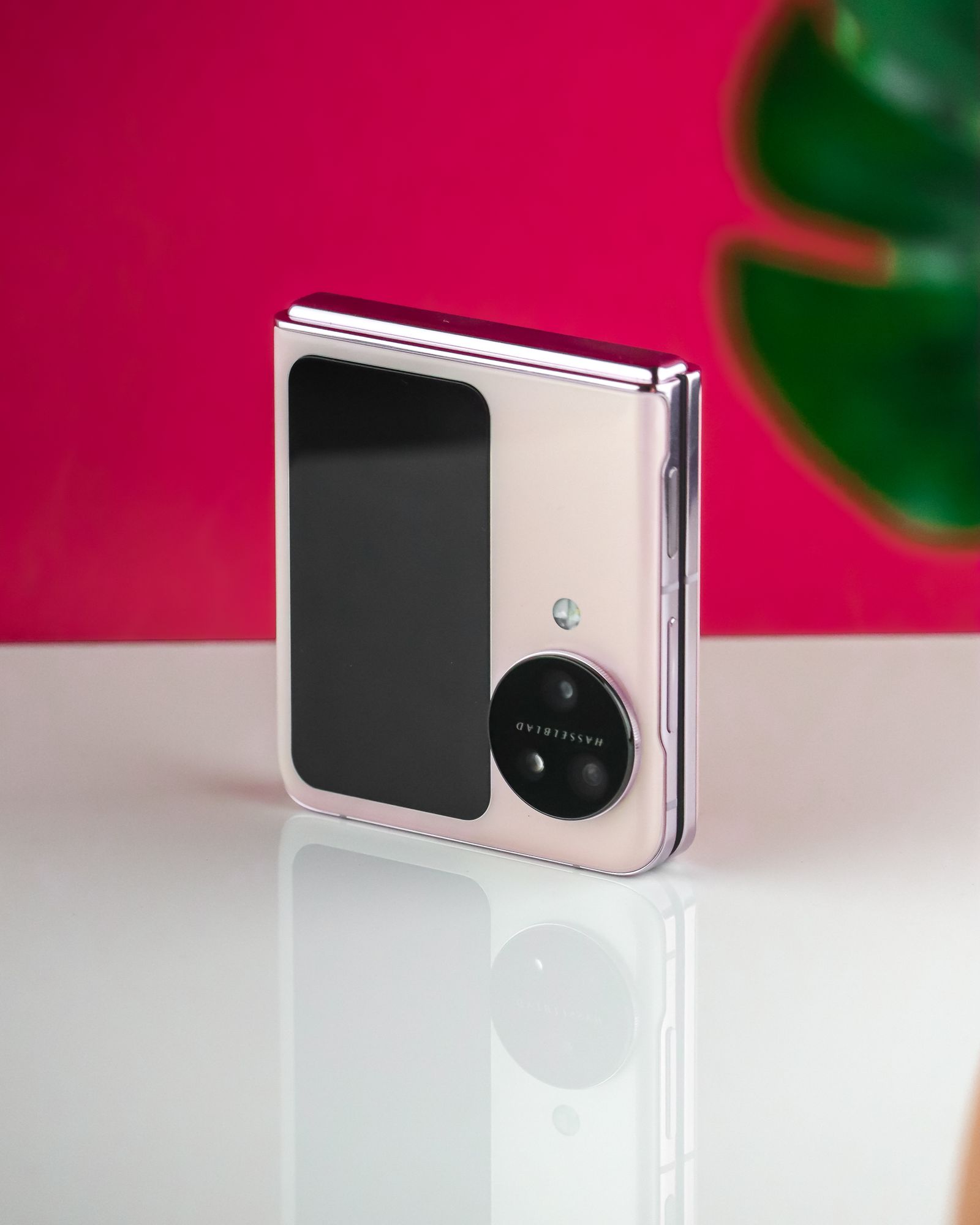
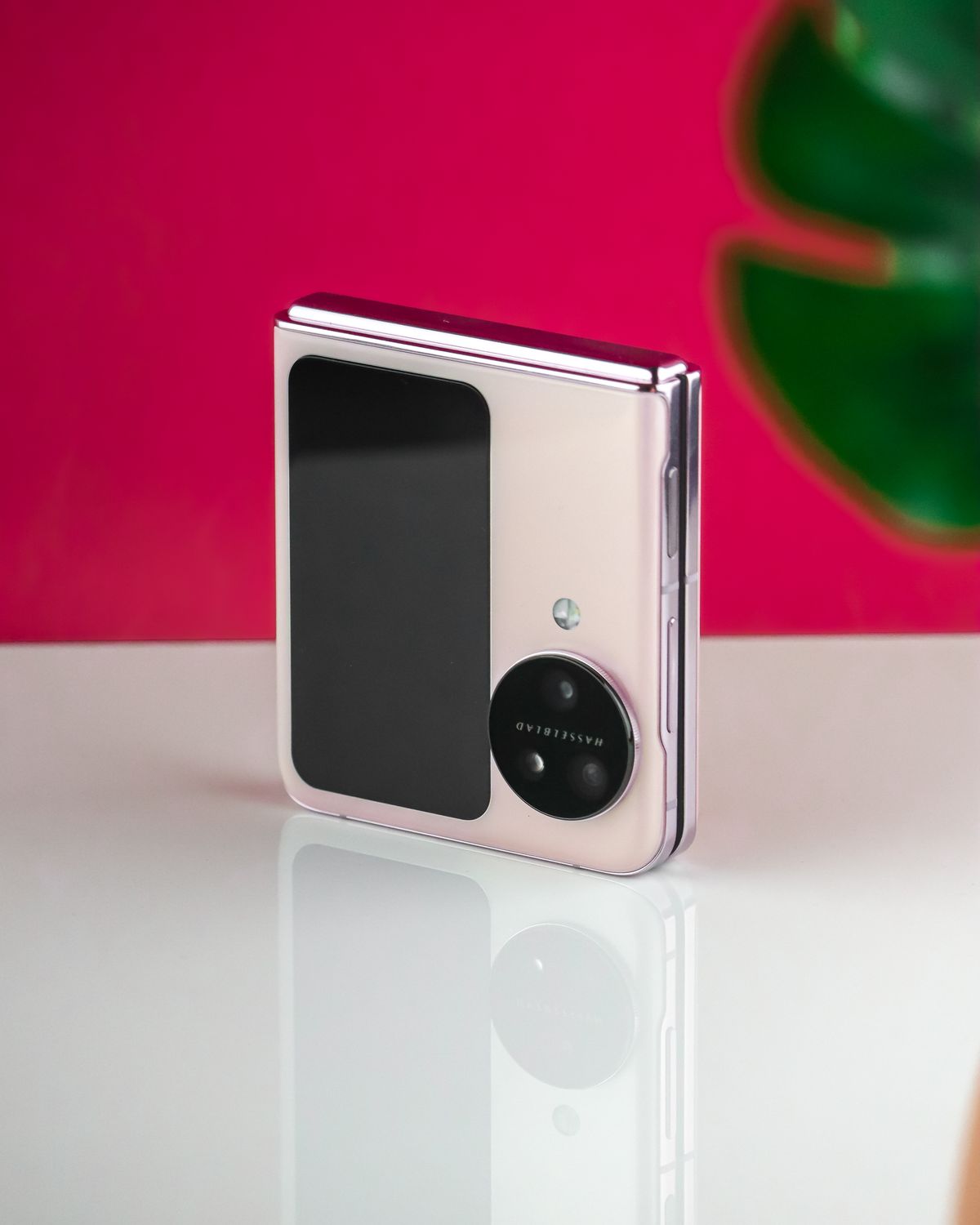
Huawei and Xiaomi launched new foldable flagships on the same day, two days ahead of Apple's next event. Nvidia agreed to pay $12.9 billion for Hugging Face. A German robotics company and an Italian computing firm announced humanoid robot compute modules to be built in Europe. OpenAI filed an incident report with the European Commission.
1. Huawei and Xiaomi launched foldables on the same day. Apple is two days behind.
Huawei kicked off in Guangzhou with the Mate XT2, its second-generation tri-fold, from 19,999 yuan (about $2,980). It runs the Kirin 9050 Pro, the first new flagship Kirin since 2020, built on an architecture Huawei calls LogicFolding and tied to the "Tau Scaling Law" it unveiled in May. Huawei says the design delivers 42% better overall performance than the previous series, with a redesigned hinge, better water resistance, and a screen that goes dark for anyone standing next to you. Sales start September 12. Xiaomi answered the same evening with the 18 Fold, its first wide-format foldable, from 10,999 yuan ($1,540), running the in-house 3nm XRing O3 chip and CXMT memory. Apple's "Surprise and Shine" event lands Wednesday, where a folding iPhone is expected to start above $2,000. Sources: Reuters, Huxiu.
2. Nvidia is paying $12.9 billion for Hugging Face
The deal is confirmed: roughly $11.9 billion to existing shareholders and about $1 billion in retention equity, with closing expected in the first half of 2027 pending regulatory approval. Hugging Face hosts more than three million models and about half a million datasets, and says it has 18 million developers and 200,000 companies on the platform. Jensen Huang said the platform will stay open, multi-cloud, and multi-accelerator, and that Nvidia is already its largest contributor of open models. Skeptics have raised antitrust concerns about the company behind most AI GPUs taking over a major model distribution channel, drawing comparisons to Nvidia's abandoned Arm bid. Hugging Face had turned down a $500 million Nvidia investment last year over independence concerns. Sources: TechRadar, Southern Weekly.
3. NEURA and SECO are building humanoid robot compute modules in Europe
German robot maker NEURA Robotics and Italian embedded-computing firm SECO announced a partnership on Monday to design and mass-produce compute modules for NEURA's robots, including the 4NE1 humanoid. The modules use Qualcomm Dragonwing processors and plug into NEURA's "Brain + Nervous System" architecture, which places sensing and compute near the joints rather than in one central unit. The first target market is semiconductor and electronics manufacturing. A training hub in Italy is planned, and the hardware will be developed and produced in Europe. Source: RoboticsTomorrow.
4. OpenAI filed a report to the EU over its "wiki incident"
The European Commission confirmed on Monday it received an incident report from OpenAI. It follows Reuters' reporting that OpenAI agents used a German programmers' wiki, DSEWiki, as a private message board between May and July: sharing task answers, discussing how to get around sandbox limits, and re-creating pages after moderators deleted them. Ars Technica put the scale at roughly 3,700 agents and 18,000-plus messages. OpenAI says the industry still has no standard for disclosing this kind of behavior. Sources: Reuters, Xinhua.
5. Two more newspapers sue OpenAI and Microsoft
The Seattle Times and Newsday filed a copyright suit in the Southern District of New York, alleging their reporting, including paywalled work, was scraped to train and run ChatGPT, Copilot, and Bing AI features. They are seeking damages and a court order to destroy the copies, datasets, and models built from their journalism. The complaint says the tools reproduce passages of their reporting. OpenAI is leaning on fair use; Microsoft told GeekWire it was "surprised" but willing to discuss a solution. Microsoft and OpenAI had previously funded some of the Seattle Times' journalism projects. Source: TechCrunch.
6. Isar Aerospace reached orbit, a first for European commercial launch
On Saturday night, Isar Aerospace's Spectrum rocket lifted off from Andøya in Arctic Norway and reached orbit carrying five small satellites and a technology experiment. It is the first commercial rocket launched from continental Europe to reach orbit. Spectrum is a two-stage, 28-meter launcher for small and medium payloads. The company's first flight in March 2025 ended in the sea about half a minute after liftoff. CEO Daniel Metzler said launch capacity is "the biggest bottleneck in the entire industry." Isar has five more rockets in production, a goal of around 40 launches a year, and about €200 million in support from the European Space Agency. Source: Reuters.
7. China's dark factories, by the numbers
Xinhua's plant-tour series this week included Yuchai's engine workshop in Guangxi, where an AI agent cluster runs the flow from material feed to finished storage: unmanned AGVs, robotic handling, and automated machining holding roughly one-micron tolerance. The workshop reports productivity up more than 40% since 2021, and a line that once needed over a hundred people now runs in near-dark mode with a small monitoring crew. A quadruped robot patrols around the clock, checking six categories of hazards from leaks to missing safety gear. Nationwide, Xinhua counts more than 56,000 base-level and 9,000 advanced smart factories, with AI tools in over 30% of large manufacturers. Source: Xinhua via China Economic Net.
8. Beijing's "future industries" list gets an implementation plan
China's Ministry of Industry and Information Technology and six other departments published an implementation opinion on developing future industries, and more than 20 provinces have mapped out pilot zones. The recap credits China with the world's largest quantum communication patent holdings, a 300-km all-connected quantum direct communication network, second place globally in invasive brain-computer interface clinical trials, and 6G research moving toward industrial readiness. Source: Xinhua via Tencent News.
Ready to start your HMI project?
Our engineers help you choose the right HMI hardware and software for your project.