
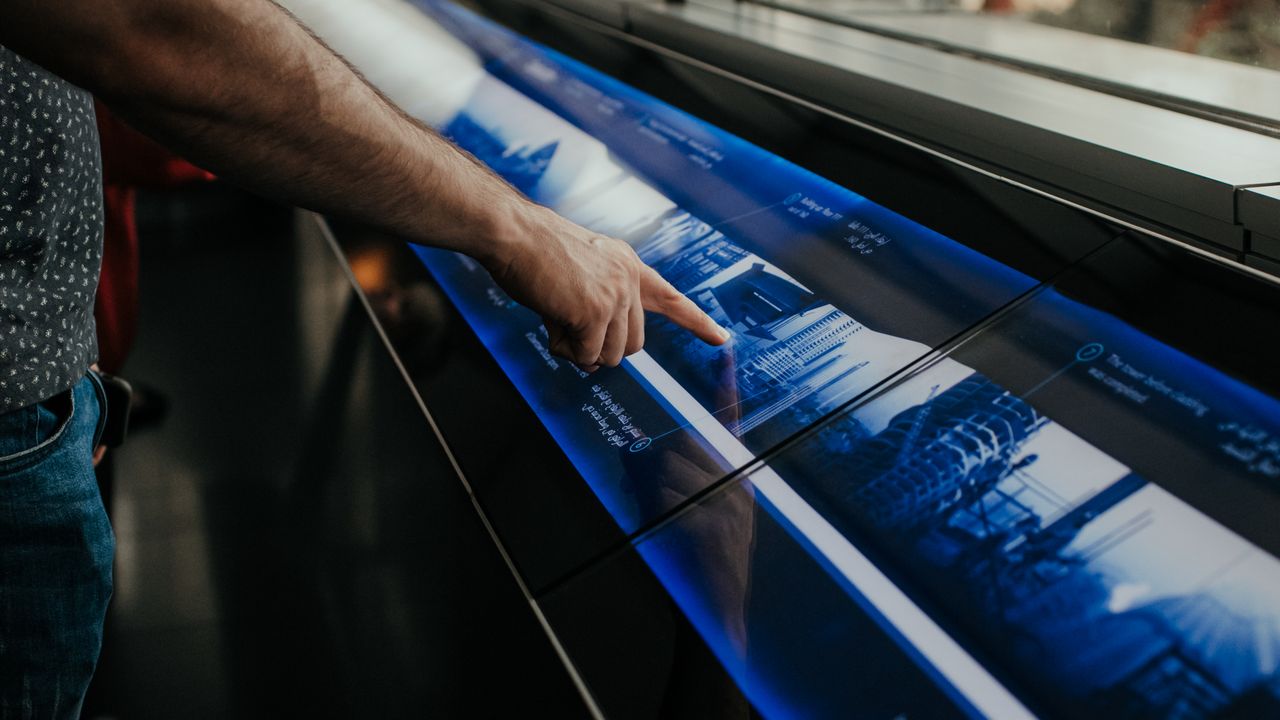
Touchscreen size is one of the first decisions in any HMI (human-machine interface) project, and it affects far more than aesthetics. The right size balances readability, available panel real estate, power budget and cost. At AOYU TECH we offer panels from 4.3-inch up to 21.5-inch, each suited to a different job.
4.3-inch: compact embedded control
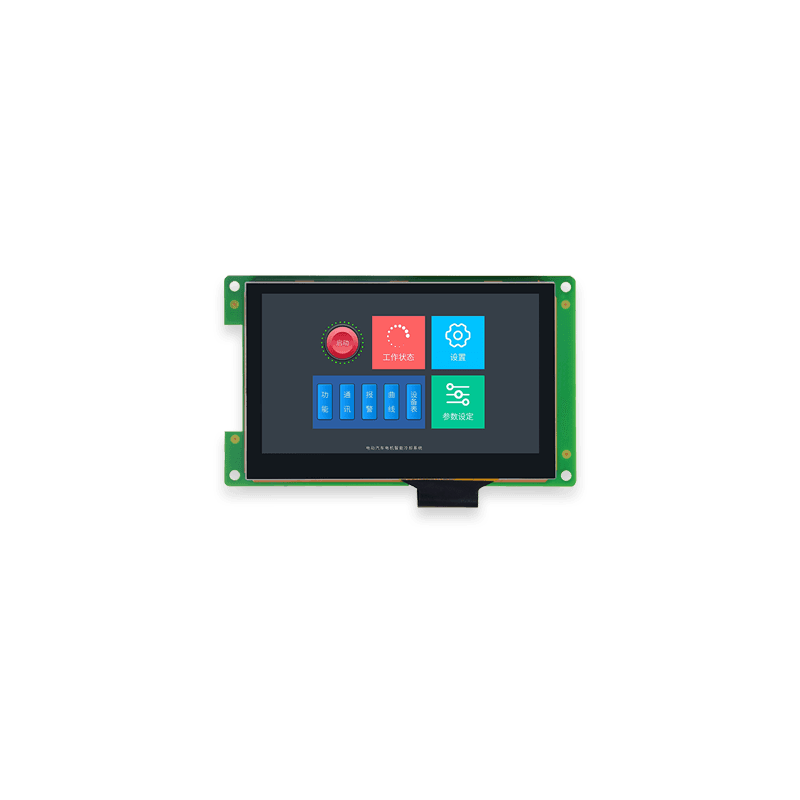
A 4.3-inch display is ideal for single-purpose control where space is tight — wall-mounted thermostats, HVAC zone controllers and small appliance interfaces. Because it draws little power and fits into shallow enclosures, it is a popular choice for IoT endpoints. Our S 4.3" Touch Panel PC targets exactly this class of device.
7-inch: the workhorse
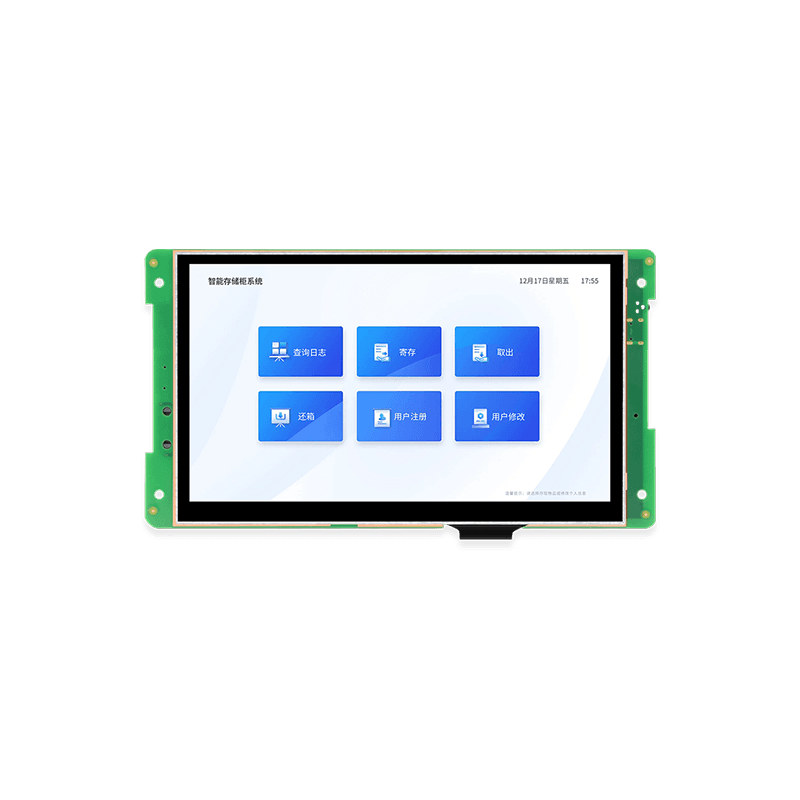
The 7-inch panel is the most common size for room control, security keypads and small instrument panels. It is large enough for a clear menu structure and a touch keypad, yet compact enough for flush mounting in a standard wall box. Both the open-frame S 7" Touch Panel PC and the economical M H1 7" model use this size.
10.1-inch: the balance point
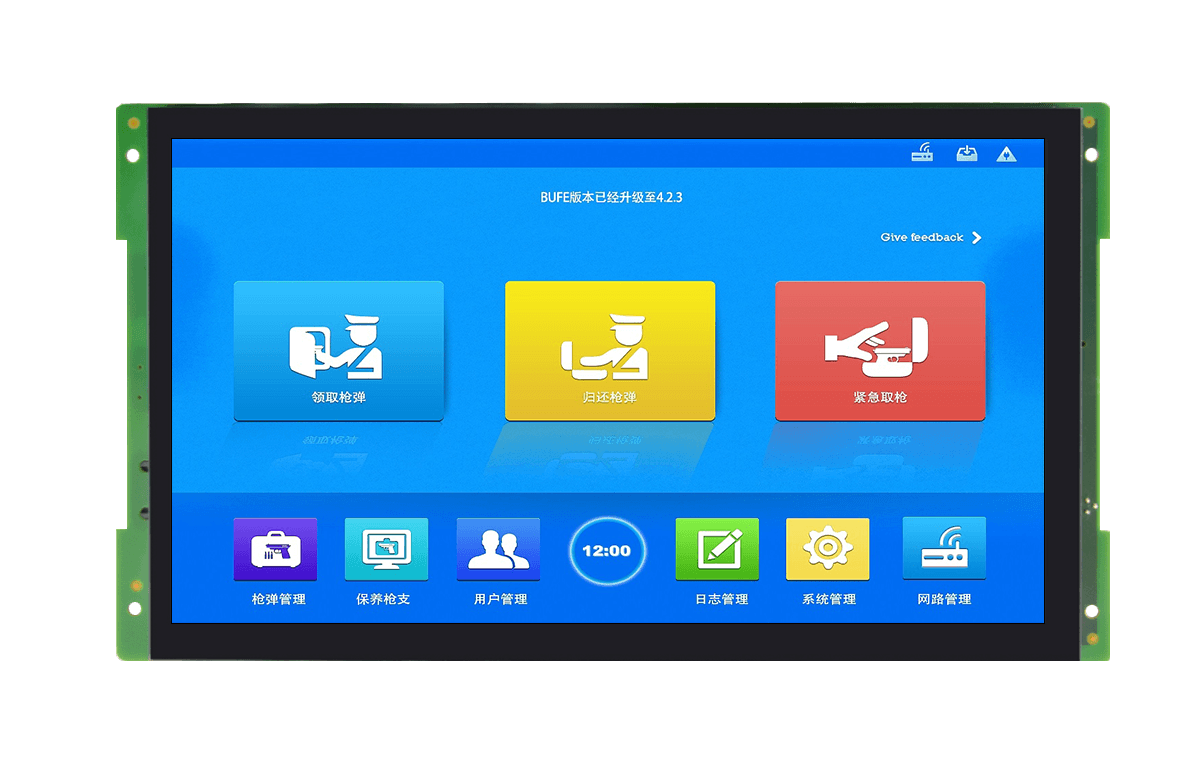
A 10.1-inch widescreen panel is the sweet spot for most commercial and industrial HMIs. It offers comfortable touch targets, enough space for dashboards and gauges, and a landscape layout that suits building automation and access control. The P H1 10.1" Touch Panel PC adds commercial-grade interactivity on top of this size.
15.6-inch and 21.5-inch: information-rich displays
Larger panels such as the P X1 15.6" and P X1 21.5" Smart Control Panel are designed for reception desks, lobby signage and energy dashboards where several people may view the screen at once.
Key selection questions
- Viewing distance: close single-user viewing can use smaller panels; multi-user viewing needs 15.6-inch or larger.
- Enclosure depth: open-frame boards fit shallower spaces than fully enclosed panels.
- Interaction density: more buttons, menus and gauges call for a larger, higher-resolution screen.
- Power and cost: smaller panels are lighter on both, which matters at production scale.
Still unsure which size fits your product? Talk to our engineers — we help map the interface to the right panel every day.
Ready to start your HMI project?
Our engineers help you choose the right HMI hardware and software for your project.